Over 30 years of design and production of the supercritical CO₂ extraction Machine
Supercritical CO2 Extraction and Purification Solution for Premium Rose Essential Oil
Essential Oil Extraction Equipment | GMP Certified Industrial Extraction Solutions
Supercritical CO2 Extraction and Purification Solution for Premium Rose Essential Oil
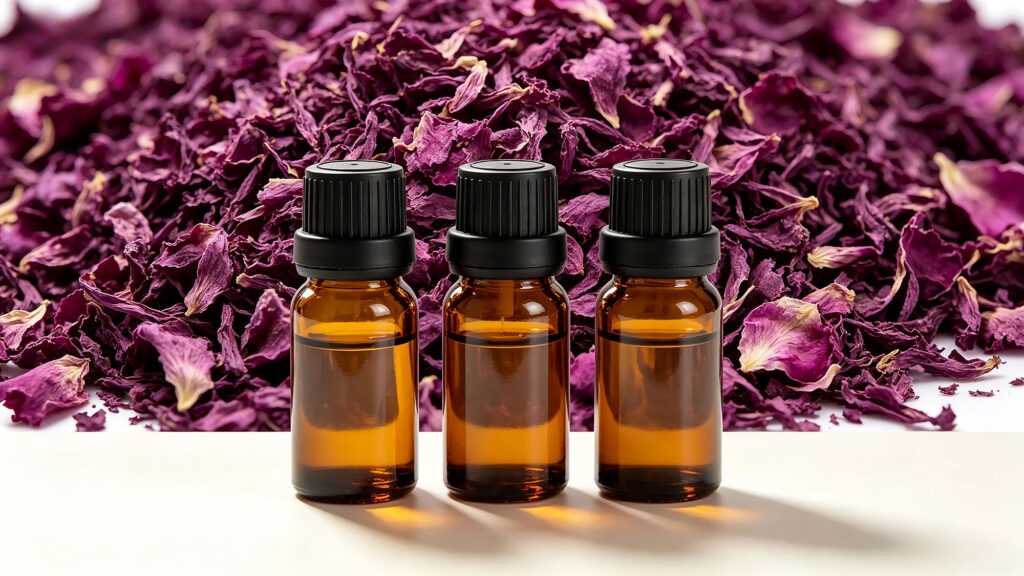
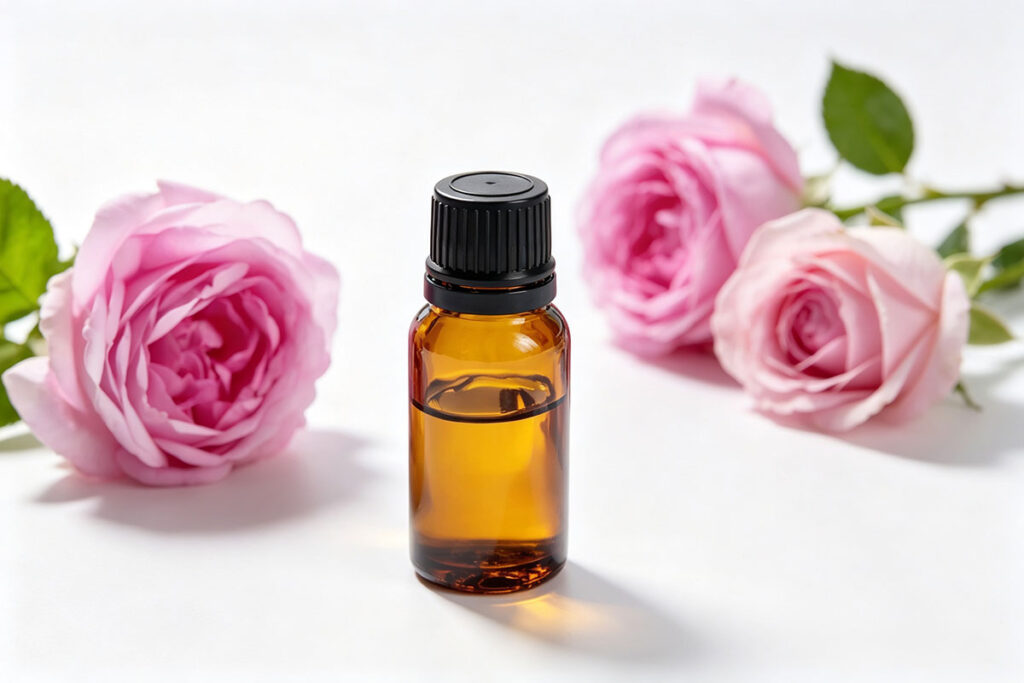
Rose essential oil, widely celebrated for its unique aroma and exceptional market value, is universally recognized as the “Liquid Gold” of the botanical extraction industry. It serves as a cornerstone ingredient in high-end perfumery, cosmetics, food flavorings, and natural wellness products.
While traditional steam distillation remains widely accessible, it frequently suffers from suboptimal essential oil yields and causes severe thermal degradation of delicate, heat-sensitive volatile compounds. To address this industry bottleneck, we offer an advanced industrial-scale solution that couples Supercritical Fluid Extraction with Short-Path Molecular Distillation (SFE-MD). This comprehensive technological route guarantees a solvent-free residue profile, high fractionation selectivity, and superior aroma retention. Backed by rigorous technical literature, this integrated process successfully elevates the premium aromatherapy-grade rose absolute yield from the traditional 0.03% up to a stable 0.1%, delivering a phenomenal three-fold increase in production efficiency. For high-quality production, we recommend a robust architecture comprising “one extraction, two separations, and molecular distillation refinement”.
I. Process Flow Design
The complete manufacturing operation seamlessly integrates raw material preprocessing, supercritical fluid extraction, multi-stage gradient separation, molecular distillation refinement, and automated product collection.
1. Raw Material Preprocessing
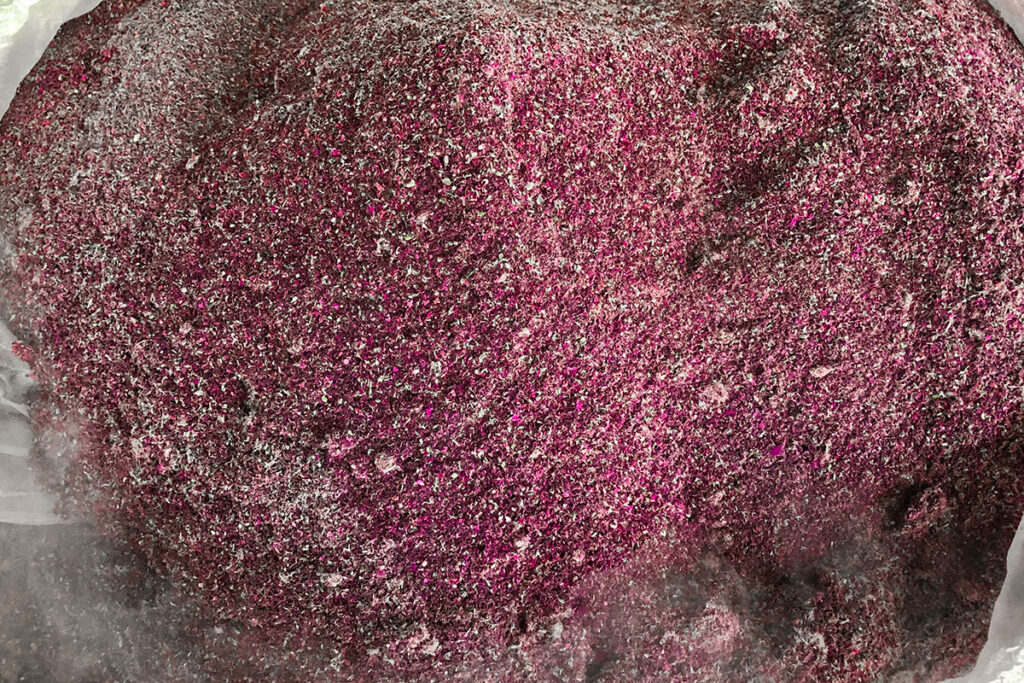
Freshly harvested rose petals are immediately directed into processing to mitigate the volatilization and loss of aromatic fractions. The petals undergo an advanced low-temperature vacuum freeze-drying system for a 24-hour cycle, reducing the average moisture content to a precise 6% to lock in the volatile aromatic matrix. The dried petals are then milled into uniform particles of 20 to 40 mesh. This precise sizing drastically expands the fluid contact surface area and enhances mass transfer dynamics before the automated material baskets are loaded into the extraction vessel.
2. Supercritical CO2 Extraction
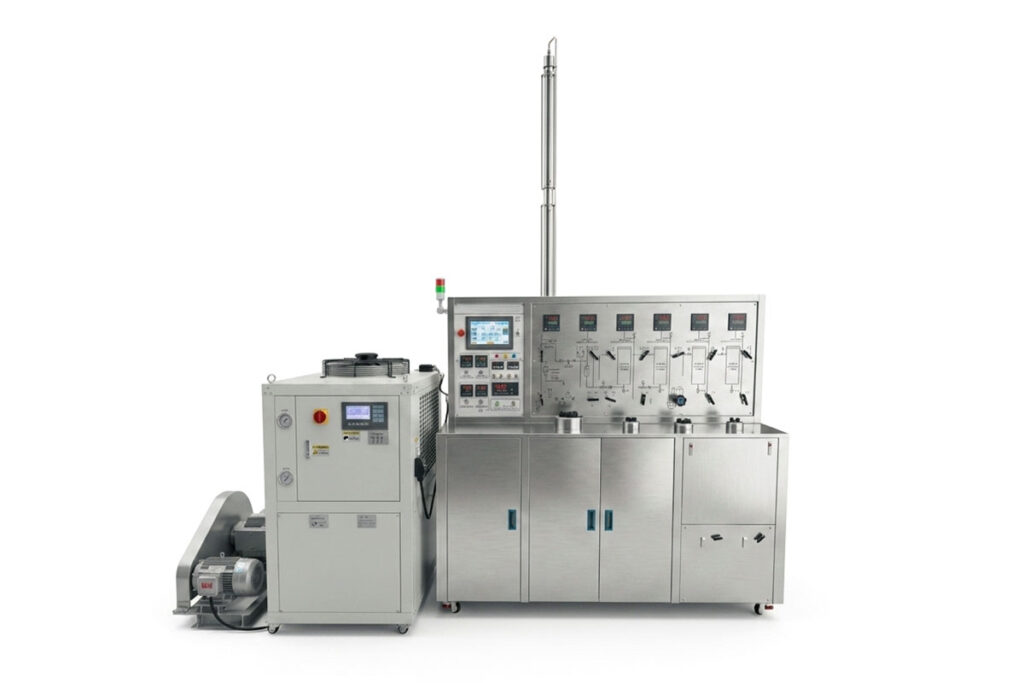
Preprocessed rose materials are loaded into the extraction vessel, where liquefied CO2 is cooled, vaporized, and pressurized by heavy-duty high-pressure pumps into a supercritical state. Supercritical CO2 simultaneously exhibits the high penetrability of a gas and the excellent dissolving capabilities of a liquid, enabling it to rapidly penetrate plant cell walls and carry away volatile oils for highly efficient heat and mass transfer. For commercial rose oil manufacturing, the optimal industrial extraction parameters are maintained at an operating pressure of 20-35 MPa and a moderate temperature of 35-50°C, using CO2 with 99.9% purity. Engineering validation proves that operating at a sweet spot around 35 MPa and 40°C unlocks the highest yield potential while shielding delicate aromatics from heat stress.
| Parameter | Recommended Range |
|---|---|
| Extraction Pressure | 20–35 MPa |
| Extraction Temperature | 35–50°C |
| CO₂ Flow Rate | Determined according to system capacity |
| Extraction Time | 2–4 h |
| CO₂ Purity | ≥99.9% |
3. Two-Stage Fractionation Separation System
As the supercritical fluid exits the extractor bearing the target matrix, it enters a highly sophisticated gradient-depressurization separation system designed for flawless compound cutting.
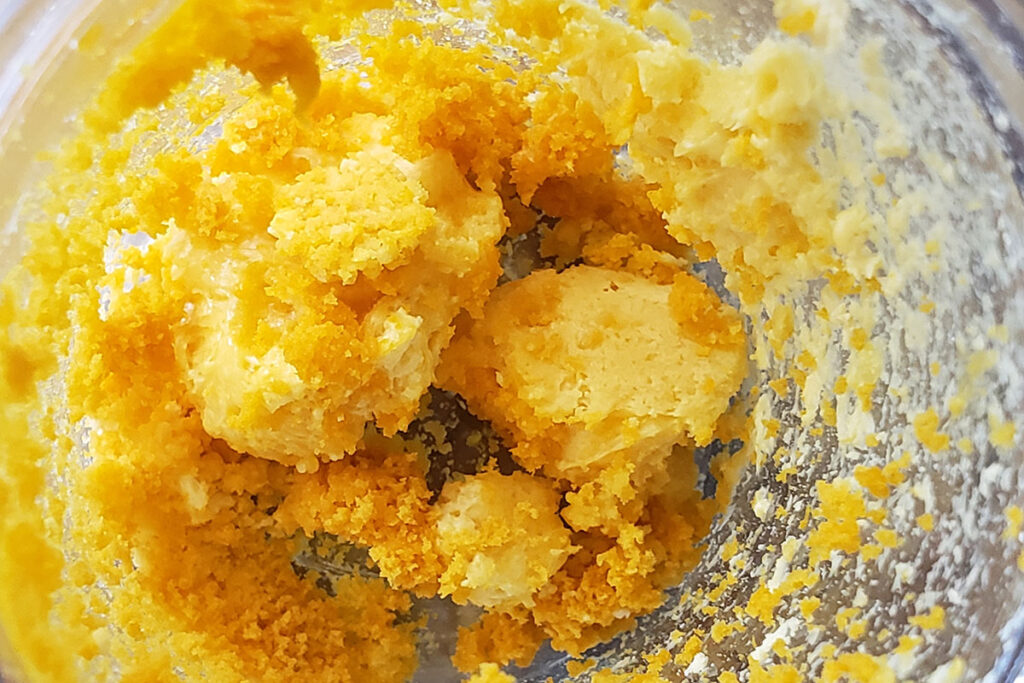
- Separator Ⅰ (Wax Removal Stage): Operated at a controlled pressure of 10 to 14 MPa, this stage intentionally precipitates high-molecular-weight components, natural pigments, and heavy plant waxes (Rose Wax), preventing them from entering the final oil. This byproduct serves as an excellent ingredient for natural cosmetics.
- Separator Ⅱ (Essential Oil Collection Stage): The remaining fluid passes into the second vessel, where the pressure is stepped down to 5.2 to 5.8 MPa. At this subcritical threshold, the CO2 completely reverts to a gaseous state, stripping away its solvent power and causing the pure, intensely fragrant rose oil fractions to settle out smoothly. This layout is vital for commercial production as it enables low-energy, green closed-loop gas recycling back into the storage tanks.
4. Short-Path Molecular Distillation Refinement
To achieve elite aromatherapy-grade purity, the collected crude rose oil undergoes subsequent refinement via an integrated molecular distillation unit. By utilizing a high-vacuum environment and short-path thermal exposure regulated strictly between 80°C and 120°C, the system separates compounds based on the mean free path of their molecules without exposing them to prolonged heat stress. This distillation step successfully strips away remaining heavy resins, lightens the color profile, and heavily concentrates the core aromatic compounds. The resulting premium rose essential oil exhibits a pristine light-yellow hue, with its principal characteristic active components cleanly preserved. The ester and aromatic alcohol mass fraction exceeds 50%, with molecular weights tightly concentrated within the premium 200 to 250 range, unlocking maximum market valuation.
II. Recommended Equipment Configuration
To satisfy diverse production and scale requirements, we provide three tiers of turnkey hardware configurations:
- R&D and Laboratory Phase: Utilizing a 1L to 5L supercritical CO2 system equipped with a single extractor, dual separators, and a benchtop molecular distillation unit, ideal for formula optimization and product development. ➜Click
- Pilot-Scale Production Phase: Utilizing a 10L to 50L system configured with dual alternating extraction vessels for continuous cycles, dual separators, and an industrial rectification column or molecular distillation setup. ➜Click
- Commercial Industrial-Scale Phase: Deploying a massive 100L to 1000L+ supercritical CO2 matrix featuring a multi-vessel continuous manufacturing design, automated PLC control, full gas loop recycling, and an inline molecular distillation refinery. ➜Click
III. Technical Advantages & Heavy-Duty Reliability
Compared to traditional steam distillation, the SFE-MD process operates at significantly lower temperatures, entirely avoiding thermal degradation and resulting in unmatched oil purity. Furthermore, carbon dioxide is non-toxic, leaves zero solvent residue, and is entirely recyclable, fully aligning with modern green manufacturing mandates. As the core hardware foundation of this turnkey solution, our extraction systems are built entirely on heavy-duty mechanical frameworks engineered to withstand a maximum design pressure of 100 MPa (1,000 Bar). Even though commercial rose oil processing operates safely within the 20 to 35 MPa range, this enormous structural redundancy offers indispensable advantages for industrial plant operations. Running daily 35 MPa cycles on a 100 MPa rated frame means the structural steel, high-pressure fittings, and premium imported seals operate under virtually zero fatigue stress. This completely eliminates the threat of high-pressure gas leaks, extends the routine maintenance intervals by multiple folds, and guarantees years of uninterrupted, safe commercial manufacturing. Consistent, validated engineering ensures that our system provides large-scale herbal processing facilities with unmatched reliability.
IV. References
- Research on the Supercritical CO₂ Extraction Process of Hetian Rose Essential Oil
MDPI Processes 2024 Study
V. Frequently Asked Questions (FAQ)
Why does the SFE-MD process achieve a 3-fold higher yield (0.1%) compared to traditional steam distillation (0.03%)?
Traditional steam distillation uses high temperatures that cause many delicate, volatile aroma molecules (such as monoterpenes and aromatic alcohols) to undergo thermal cracking, oxidation, or dissolution into the wastewater, resulting in low yields around 0.03%. In contrast, our SFE-MD (Supercritical Fluid Extraction + Molecular Distillation) solution uses mild, low-temperature CO2 (35–50°C) to highly penetrate the plant cells and extract the full botanical matrix without thermal damage. Subsequent short-path molecular distillation precisely separates heavy waxes from the core fragrance compounds under high vacuum, concentrating the pure absolute and stabilizing the yield at approximately 0.1%.
How does your dual-stage separation system optimize both product purity and CO2 recycling efficiency?
Our system applies advanced gradient-depressurization cutting across two dedicated separation vessels:
- Separator II (5.2–5.8 MPa): Drops the pressure to the subcritical phase where CO2 gasifies, completely losing its solvent power and cleanly dropping out the ultra-pure, concentrated rose oil. Crucially, keeping the final separator at 5.2–5.8 MPa allows the gaseous CO2 to be re-liquefied with minimal cooling energy, ensuring a highly efficient, cost-saving closed-loop recycling system.
- Separator I (10–14 MPa): Specifically targets and precipitates heavy plant waxes and pigments (Rose Wax). This segregates the heavy molecules from entering the final essential oil, providing an excellent high-value byproduct for cosmetics.